
Topic 4: Recovery principles and concepts
The link between response and recovery
Disaster recovery is concerned with protecting lives, property and restoring to ‘normal’ the disruption the disaster has caused to daily life. The activities of the Emergency Manager will include managing vulnerable populations, such as the elderly and people with a disability, coordinating responders, and reducing environmental hazards.
Once disaster has struck the political and social pressure to return the community to ‘normal’ as quickly as possible may be quite intense, with the response effort often receiving heady media and public attention. This is also the most propitious time for communities to increase their resilience to future disasters by adjusting their recovery plans to implement fresh policies and strategies. Haddow, Bullock & Coppola (2008) suggest the following areas:
- Land-use planning techniques, including acquisitions, easements, annexation, stormwater management, and environmental reviews.
- Zoning, including special-use permits, historic preservation, setbacks, density controls, wetland protection, floodplains, and coastal zone management.
- Building codes, including design controls, design review, height and type, and special study areas (soil stability ratings).
- Financial incentives, including special districts, tax exemptions, special bonds, development rights, property transfer.
- Information and oversight, including public awareness and educationregional approaches and agreements, global information systems, town hall meetings, and public awareness.
(Haddow, G., Bullock, J., & Coppola, D. (2008). Introduction to Emergency Management. p170. Butterworth-Heinemann: Oxford.
Guam Memorial Hospital
Lindell, Prater & Perry in their text Introduction to Emergency Management (2007, p13) offer the following example which links response and recovery in a long-term manner:
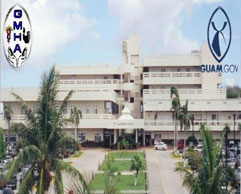
A typhoon devastated Guam Memorial Hospital in 1997. The hospital is critically important because it is one of the few places that can offer oxygen and dialysis on the island. Through a grant from FEMA, Guam officials took steps to reduce typhoon damage to the hospital. Corridors were enclosed and the barriers around the oxygen storage unit were strengthened. In 2002, when another typhoon hit Guam, the hospital sustained the damage and still provided oxygen and dialysis to patients (FEMA, March 5, 2003).
Source: www.fema.gov/news/newsrelease.fema?id=2223 accessed August 2007
 |
|
In a disaster context, when does recovery activity begin?
|
|